The Saddle
When I was growing up as a kid, I was fascinated by the night sky. One of my dreams was to work at an observatory and the lack of telescopes around me made it a distant dream. When I became a professional astronomer, it was already the peak space astronomy era. I did use ground-based data but all were obtained in service mode, during peak pandemic era. So, when I was offered the chance to travel to Chile to observe for the MiNDSTEp consortium, I was excited beyond bounds.
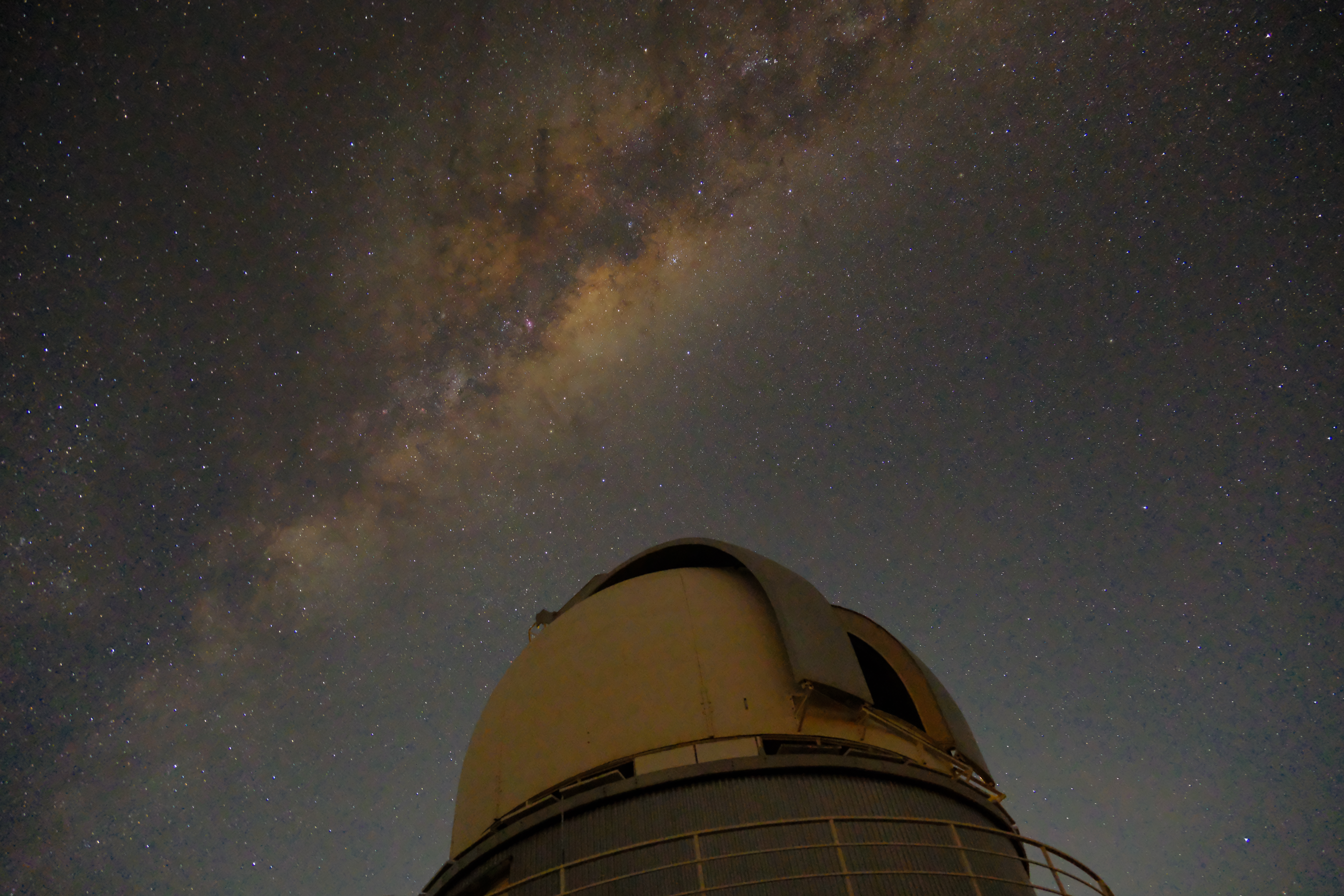
So I took a 14-hour flight from London to Santiago to arrive at European Southern Observatory’s (ESO) guesthouse. I spend two days in the beautiful city of Santiago before flying to La Serena, where I was greeted by the lovely staff from ESO. I hopped on their van and we drove for 2 hours, away from civilization, into the Saddle of the Atacama desert. The final stop was the La Silla Observatory, where I was supposed to observe planetary transits, globular clusters, asteroids, comets, and even manmade satellites using the Danish 1.54 metre telescope. When I had time (usually accomodated by losing sleep) from the hectic shifts, I went around the observatory, marvelling how diverse the landscapes were. And when I finally managed to see the Mikly Way, in its utmost grandeur, I felt overwhelmed but also content. Content that I live on (to be fair I do not know where else I can survive)) one of the most beautiful planets ever.


Enjoy Reading This Article?
Here are some more articles you might like to read next: